
The Rural Fellows program gives you the chance to experience all that Nebraska’s rural communities have to offer—all while helping those communities thrive. During the summer, you live, work, and play alongside residents in one of Nebraska rural communities. By contributing your talents, skills, and passions, the projects you work on during your fellowship help strengthen local life for rural residents. In addition, you serve as a community research partner, gathering stories and insights that highlight what makes each community unique. From producing high-quality reports that support economic development to showcasing recreation and tourism opportunities, Rural Fellows provide actionable data and creative solutions tailored to community priorities.
For Communities and Organizations:
If you are interested in hosting a Rural Fellow for the 2027 season, contact us here.
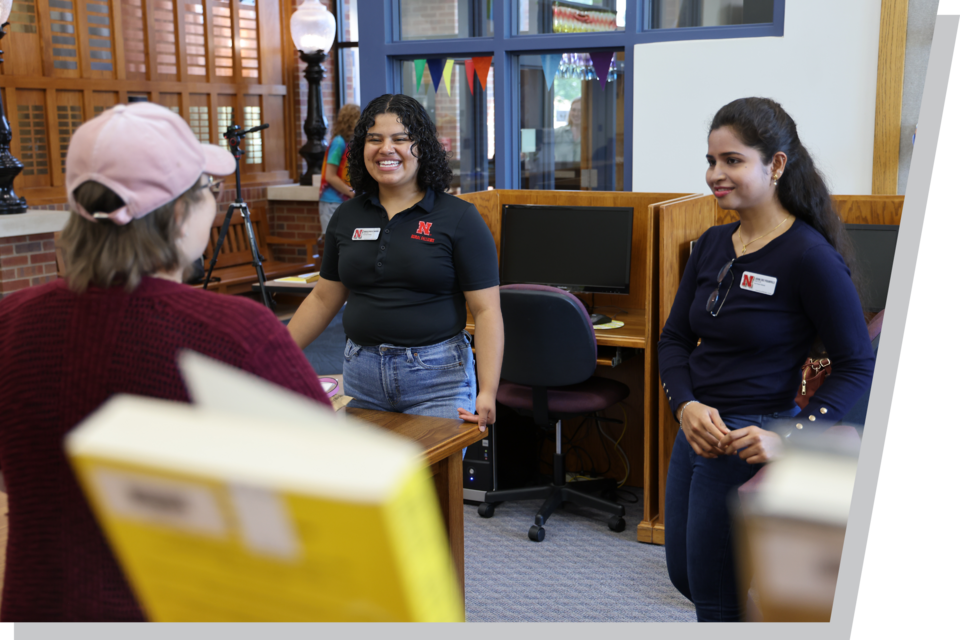
QUICK FACTS
- Selection: Competitive application and interview process
- Eligibility: Open to all majors and colleges
- GPA Requirement: Minimum 2.5 on a 4.0 scale
- Compensation: $5,000-$10,000 stipend for a summer experience
- Placement: Fellows live in pairs within their host community
- Experience: Curated internships that immerse students in hands-on, community-defined projects, building real-world experience and creating local impact
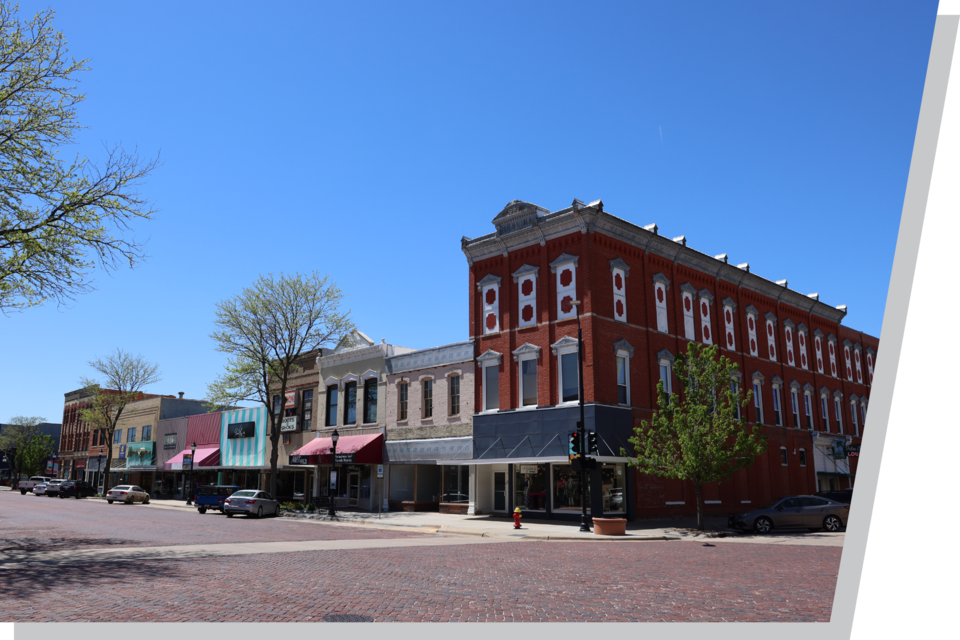
2027 PLACEMENT LOCATIONS
Locations TBA
If your community or organization is interested in hosting a Rural Fellow for the 2027 season, feel free to contact us.
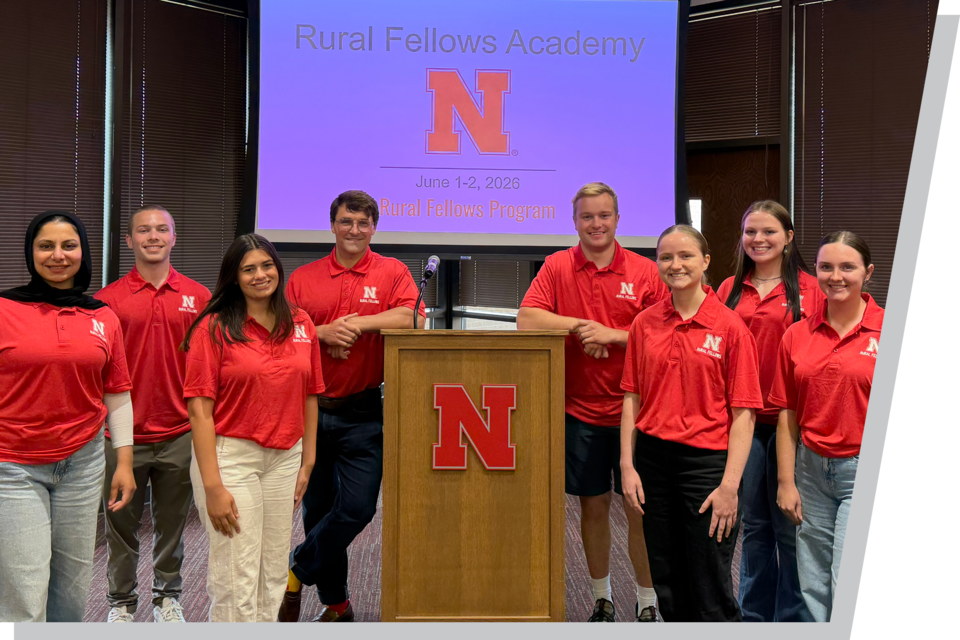
APPLICATION PROCESS
(for current students only)
- Explore Your Options
Decide what type of internship or experience you’d like to pursue through the Rural Fellows program. - Interview with the Coordinator
If selected, you’ll be contacted by the Rural Fellows Coordinator to schedule an interview. - Interview with Your Potential Site
Candidates advancing to the next stage will have a second interview with both the coordinator and the on-site placement partner (mid-January). - Final Selection and Placement
Final candidate selections and internship matches will be announced in early February.

2027 IMPORTANT DATES
- Sept. 16, 2026: Applications for students open
- Oct. 30, 2026: Applications for students close
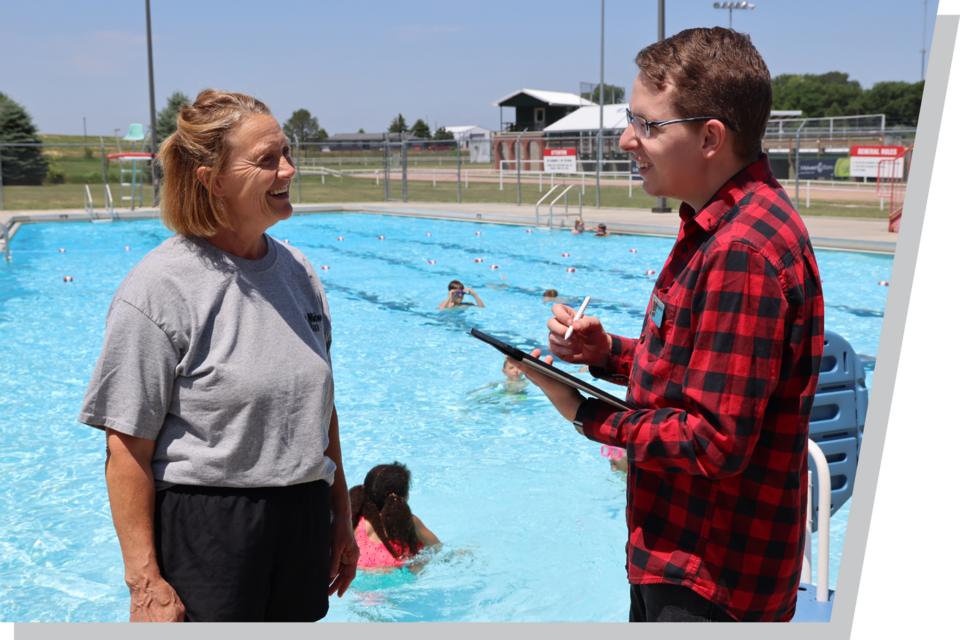
SUMMER COMMITMENT
- May-August—Includes two-day training academy, work experience, and final presentations.
- Specific dates TBA
Frequently Asked Questions
Can you give me examples of some previous projects?
Communities offer a variety of different projects each year. Some examples include researching LB840 and developing an implementation plan, establishing a community marketing and social media presence, developing a website to share mental health resources, or analyzing a community’s strengths, weaknesses, threats and opportunities to develop an action plan and begin working on it. Oftentimes, communities also focus on more tourism-friendly projects, such as organizing community activities and events, gaining community support for local attractions, or designing and enacting a community beautification plan.
Can you explain how you match students to communities?
The primary basis for matching students to communities depends on the project(s) that a community is trying to accomplish. Certain projects require certain skills, abilities or interests, so we strive to match communities with students who have those skills to successfully accomplish the work. Additionally, we work to match student pairs and community leaders that we believe would work well together based on their leadership styles and work preferences. The information guiding this matching comes from the applications and interviews with both students and communities.
Is housing provided for students within the placement communities? What does that housing look like? How do communities find that housing?
The type of housing available depends on the community's resources, and we will work with the students to find suitable housing in the area of their placement. In previous years, communities have helped to identify apartments, rental houses, homestays, hotels, or local college dorms. In some cases, housing will be provided as a part of the internship placement. Accommodations are addressed individually with each student.
Are students on their own for meals?
Yes, students are responsible for providing their own meals.
What is the typical dress code for this experience?
Dress code depends on the workplace expectations in each community. It is common for students to wear business casual and occasionally wear business professional for formal presentations or events.
What if I have a planned family obligation this summer?
In the past, students and community leaders have been able to take time off the program for short-term obligations. Students will need to request for this time off from their community supervisor.
Do students have the opportunity to earn course credit through this experience?
Yes. There are a couple ways to do so. Students can enroll in ALEC 422: Facilitation and Project Planning for either the winter or summer sessions to partake in a course related to this experience. Please email Dr. Mary Emery for information on how to enroll. Students can also earn internship/capstone credit through their department.